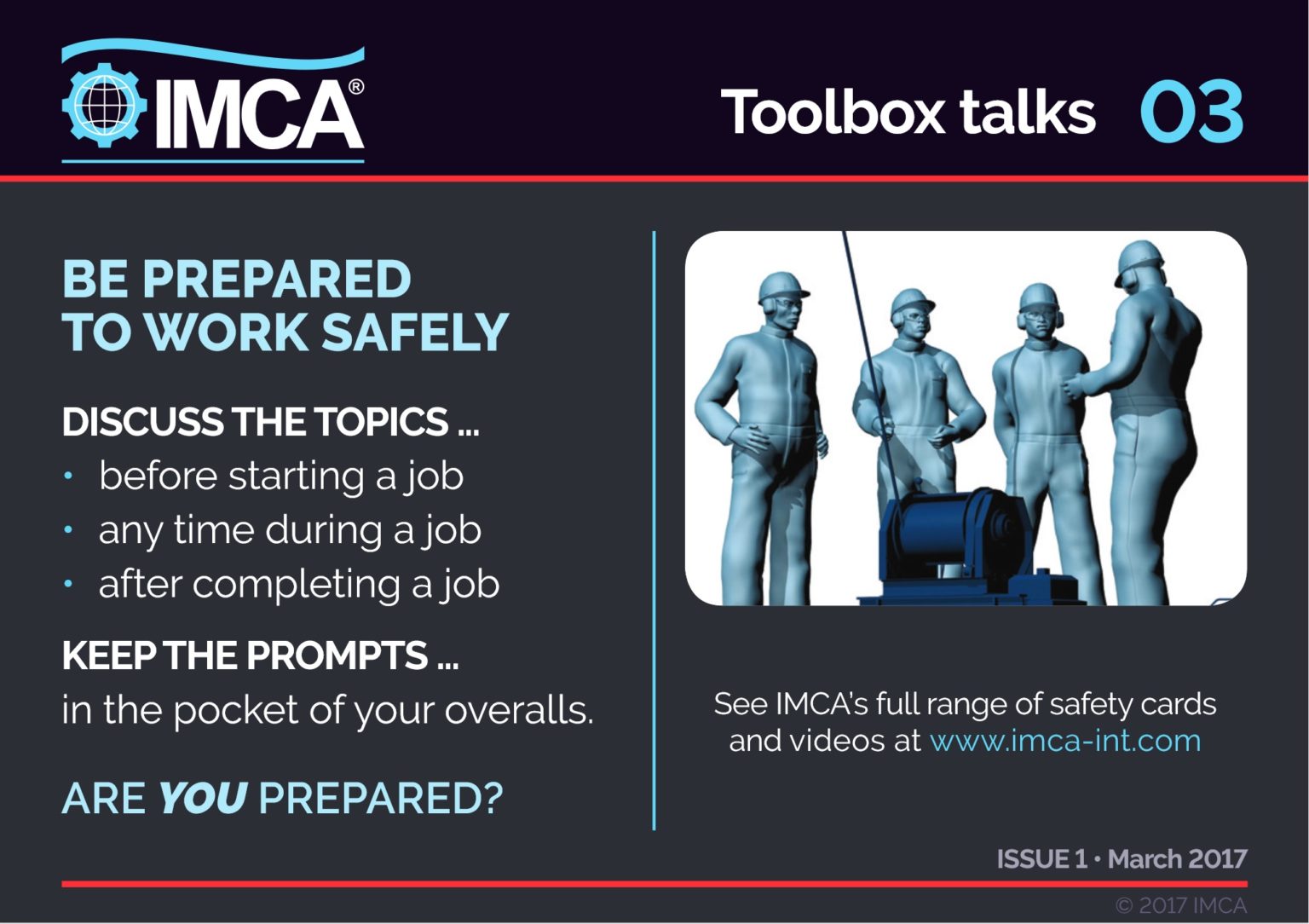
Safety isn’t just about protocols—it’s about understanding. In diverse work environments, especially across North America and Latin-influenced regions, language barriers turn minor miscommunications into major hazards. Short toolbox talks in English and Spanish are no longer a convenience—they’re a necessity. These micro-safety sessions, typically 5 to 10 minutes long, deliver targeted safety messages that teams can absorb quickly and act on immediately. When delivered in both English and Spanish, they ensure everyone hears the same message, in the language they think in.
The real power of these briefings isn’t just in translation—it’s in consistency, clarity, and inclusion. From construction sites to manufacturing plants, bilingual toolbox talks reduce incidents, improve engagement, and show workers they’re valued.
Why Bilingual Toolbox Talks Are Non-Negotiable Today
Over 25% of the U.S. construction workforce speaks Spanish as their primary language. In regions like California, Texas, and Florida, that number climbs higher. Yet many safety programs still rely on English-only materials, assuming comprehension or offering rushed translations. That assumption fails both workers and employers.
Consider this: a recent OSHA report cited miscommunication as a contributing factor in nearly 18% of preventable workplace injuries among non-English-dominant employees. That’s not just a statistic—it’s a breakdown in trust and safety culture.
Short toolbox talks in English and Spanish fix this. They are: - Time-efficient: Focused on one topic per session - Legally protective: Support OSHA’s requirement for “effective communication” - Culturally inclusive: Show respect for linguistic diversity - Behavior-shaping: Reinforce safe habits through repetition
When both languages are used side-by-side—either verbally or in written handouts—supervisors signal that every worker’s safety matters equally.
The Anatomy of an Effective Bilingual Toolbox Talk
A high-impact toolbox talk does more than just inform—it connects. Here’s what every session should include, whether spoken or distributed:
1. Clear Topic Focus Each talk should target one specific hazard or behavior. Examples: - Proper lifting techniques - Fall protection near edges - PPE requirements for grinding - Lockout/tagout procedures
Avoid broad topics like “general safety.” Precision drives retention.
2. Parallel Language Delivery Present the same content in both English and Spanish—ideally in that order. Why start with English? Most safety documentation and signage are in English, but Spanish-speaking workers need to hear it in their native language immediately after.
Example flow: > "Today we’re discussing ladder safety. Always maintain three points of contact..." > (En español: Hoy hablamos de la seguridad con escaleras. Siempre mantenga tres puntos de contacto...)
This reinforces the message and allows for real-time clarification.
3. Visual Aids Use photos, diagrams, or quick videos showing correct vs. incorrect practices. A picture of a worker improperly extending a ladder speaks louder than a paragraph of warnings.
4. Interactive Check-In End
with a simple question:
“Who can name one thing to check before climbing a ladder?” (¿Quién puede nombrar una cosa que revisar antes de subir una escalera?)
This confirms understanding and keeps attention high.
5. Sign-Off Sheet Have all attendees sign a bilingual attendance sheet. This isn’t just for compliance—it’s proof that the message was delivered in an accessible way.

Common Mistakes That Undermine Bilingual Safety Talks
Even well-intentioned teams fall into traps that dilute the impact of their toolbox talks. Avoid these:
❌ Using Google Translate for Critical Content Machine translations often miss technical or safety-specific phrasing. “Turn off the power” might render as “apague el poder” (which can mean “turn off the authority”), creating confusion.
Fix: Use professional safety translators or pre-vetted bilingual safety resources.
❌ Assuming Bilingual = Fully Fluent Not every Spanish speaker reads or speaks formal Spanish fluently. Regional dialects, literacy levels, and technical familiarity vary.
Fix: Use simple, active language. Avoid jargon like “fulcrum” or “impedance.” Say “pivot point” or “electrical resistance” instead—if needed at all.
❌ Skipping the Spanish Recap Some supervisors read the English version and say, “And we’ll cover the rest later in Spanish.” That delays critical information.
Fix: Deliver both immediately. If using written materials, print side-by-side columns.
❌ One-Way Delivery Lecturing without checking for understanding leads to nodding heads and hidden confusion.
Fix: Ask open-ended questions. Encourage workers to share experiences or near-misses.
Practical Examples of Short Toolbox Talks (English + Spanish)
Here are two real-world examples you can adapt for your crew:
Topic: Eye Protection During Grinding
English: "Grinding creates flying sparks and metal fragments. If you’re within 10 feet of grinding, you must wear safety goggles—even if you’re not operating the tool. Regular sunglasses or face shields alone aren’t enough. Goggles form a seal around the eyes. Check yours for cracks before use."
Spanish: "El esmerilado genera chispas y fragmentos de metal. Si está a menos de 3 metros de distancia, debe usar gafas de seguridad, aunque no esté usando la herramienta. Las gafas de sol o protectores faciales solos no son suficientes. Las gafas forman un sello alrededor de los ojos. Revise las suyas antes de usarlas."
Follow-up: > “What if you only have a face shield?” > (¿Y si solo tiene un protector facial?)
Topic: Staying Clear of Forklift Traffic Zones
English: "Forklifts have blind spots—especially behind and to the right. Never walk behind a forklift unless the operator knows you’re there. Always make eye contact. If horns are sounding, stop and wait. These rules apply even during rush hours."
Spanish: "Las montacargas tienen puntos ciegos, especialmente atrás y a la derecha. Nunca camine detrás de una montacargas si el operador no sabe que está ahí. Siempre establezca contacto visual. Si suena la bocina, deténgase y espere. Estas reglas aplican incluso en horas ocupadas."
Follow-up: > “What’s one safe way to get a forklift operator’s attention?” > (¿Cuál es una forma segura de llamar la atención del operador?)
Top 5 Sources for Pre-Written Bilingual Toolbox Talks
Creating content from scratch takes time. These resources offer ready-to-use, professionally translated toolbox talks:
| Resource | Format | Languages | Key Benefit | Cost |
|---|---|---|---|---|
| SafetyNow | PDF + Video | English/Spanish | Industry-specific topics with visual aids | Subscription |
| Creative Safety Supply | Downloadable PDFs | English/Spanish | Free library with print-ready checklists | Free/Premium |
| J. J. Keller | Print & Digital | English/Spanish | OSHA-aligned, audit-ready content | Paid |
| Safesite | Mobile App | English/Spanish | Track attendance and delivery in real time | Freemium |
| OSHA.gov (Spanish Section) | Web/PDF | English/Spanish | Government-approved, no legal risk | Free |
Pro Tip: Customize templates with your company logo and site-specific rules. Workers pay more attention when materials feel relevant to their daily routine.
How to Deliver Bilingual Talks Without Burning Time
Supervisors often resist daily talks, fearing delays. But short doesn’t mean shallow—if you streamline:
- Batch Prepare: Spend 30 minutes weekly translating or reviewing five talks. Use a shared drive for access.
- Use a Rotation: Assign crew members to lead one talk per month (in their preferred language). Builds ownership.
- Leverage Mobile Tools: Apps like Safesite or SafetyCulture let you record talks, attach photos, and auto-generate bilingual reports.
- Start on Time, End on Time: Use a timer. Stick to 7 minutes. Respect workers’ time to earn their attention.
One Texas-based contractor cut incident rates by 34% in six months simply by enforcing 7-minute daily talks—delivered in both languages, every shift.
Building a Sustainable Bilingual Safety Culture
Toolbox talks shouldn’t feel like compliance theater. To make them stick:
- Link Talks to Real Incidents: After a near-miss, turn it into the next talk. “This almost happened—here’s how we stop it.”
- Reward Participation: Recognize workers who suggest topics or spot hazards. A $5 coffee card goes a long way.
- Audit for Understanding: Randomly quiz workers a day after a talk. “What were the three ladder rules yesterday?”
- Involve Bilingual Leads: Empower Spanish-speaking foremen to co-lead or review translations. They’re cultural bridges.
One Florida electrical contractor started having their lead electrician—fluent in both languages—deliver the Spanish portion. Engagement spiked. Workers started arriving early.
Final Thoughts: Safety Is a Shared Language
Short toolbox talks in English and Spanish aren’t just about meeting regulations. They’re about building a culture where every worker, regardless of language, feels seen, heard, and protected.
The best safety programs don’t translate words—they translate care.
Start small. Pick one topic. Deliver it clearly in both languages. Confirm understanding. Repeat. Over time, these micro-moments compound into a safer, stronger worksite.
Your team doesn’t just need safety instructions. They need safety inclusion. And that begins with speaking their language—literally.
Frequently Asked Questions
What is a short toolbox talk? A brief safety meeting (5–10 minutes) focused on one specific hazard, procedure, or best practice, typically held at the start of a shift.
Why deliver toolbox talks in both English and Spanish? To ensure all workers, especially Spanish-dominant employees, fully understand safety protocols, reducing miscommunication and accident risk.
How often should toolbox talks be held? Ideally daily or before starting high-risk tasks. Weekly minimum for low-risk environments.
Can I use translated templates instead of writing my own? Yes—but ensure translations are accurate and reviewed by someone fluent in safety terminology. Avoid machine-only translation.
Do I need to document bilingual toolbox talks? Yes. Maintain signed attendance sheets in both languages to demonstrate compliance during audits.
Are there free bilingual toolbox talk resources? Yes. OSHA.gov and Creative Safety Supply offer free, downloadable bilingual safety talks.
What topics work best for short talks? Specific hazards like PPE use, ladder safety, fire extinguisher operation, or hand tool inspection—focused and actionable.
FAQ
What should you look for in Short Toolbox Talks in English and Spanish for Safer Worksites? Focus on relevance, practical value, and how well the solution matches real user intent.
Is Short Toolbox Talks in English and Spanish for Safer Worksites suitable for beginners? That depends on the workflow, but a clear step-by-step approach usually makes it easier to start.
How do you compare options around Short Toolbox Talks in English and Spanish for Safer Worksites? Compare features, trust signals, limitations, pricing, and ease of implementation.
What mistakes should you avoid? Avoid generic choices, weak validation, and decisions based only on marketing claims.
What is the next best step? Shortlist the most relevant options, validate them quickly, and refine from real-world results.