City building games on PC have long enjoyed a loyal following, but bringing the genre to consoles—especially the PS2—was a bold experiment. The PS2 city builder game experience demanded rethinking complex UIs, simplifying economic models, and adapting camera controls for a controller. Few titles attempted it. Even fewer succeeded.
Yet, a handful of standout PS2 city builder games not only made the leap but carved out a legacy. These were games where urban planning met console convenience, where zoning, traffic, and citizen happiness became nightly challenges in living rooms across the world. For a generation raised on button mashing, these titles offered something rare: patience, foresight, and long-term strategy.
This isn’t about nostalgia alone. It’s about recognizing which PS2 city builder games genuinely worked—and why they still matter.
Why the PS2 Was a Tough Platform for City Builders
The PS2 lacked the mouse precision and multitasking strengths of PC setups. City builders thrive on micro-management—clicking zones, adjusting budgets, analyzing data panels. Translating that into a dual-analog, button-limited interface was a design hurdle many developers underestimated.
Early attempts often failed by cloning PC mechanics without adaptation. Menus were clunky. Camera movement felt sluggish. Players gave up after 20 minutes of trying to place a single residential block.
But the games that succeeded understood the console’s rhythm. They streamlined interfaces. Used radial menus. Introduced smart defaults. They traded spreadsheet depth for intuitive feedback loops—color-coded zones, traffic flow heatmaps, and pop-up alerts that guided decisions without overwhelming.
These weren’t SimCity ports. They were console-native interpretations.
The Top PS2 City Builder Games That Actually Worked
While the PS2 library wasn’t flooded with city builders, several titles proved the genre could thrive on a console. These are the five that delivered real depth, engagement, and replay value.
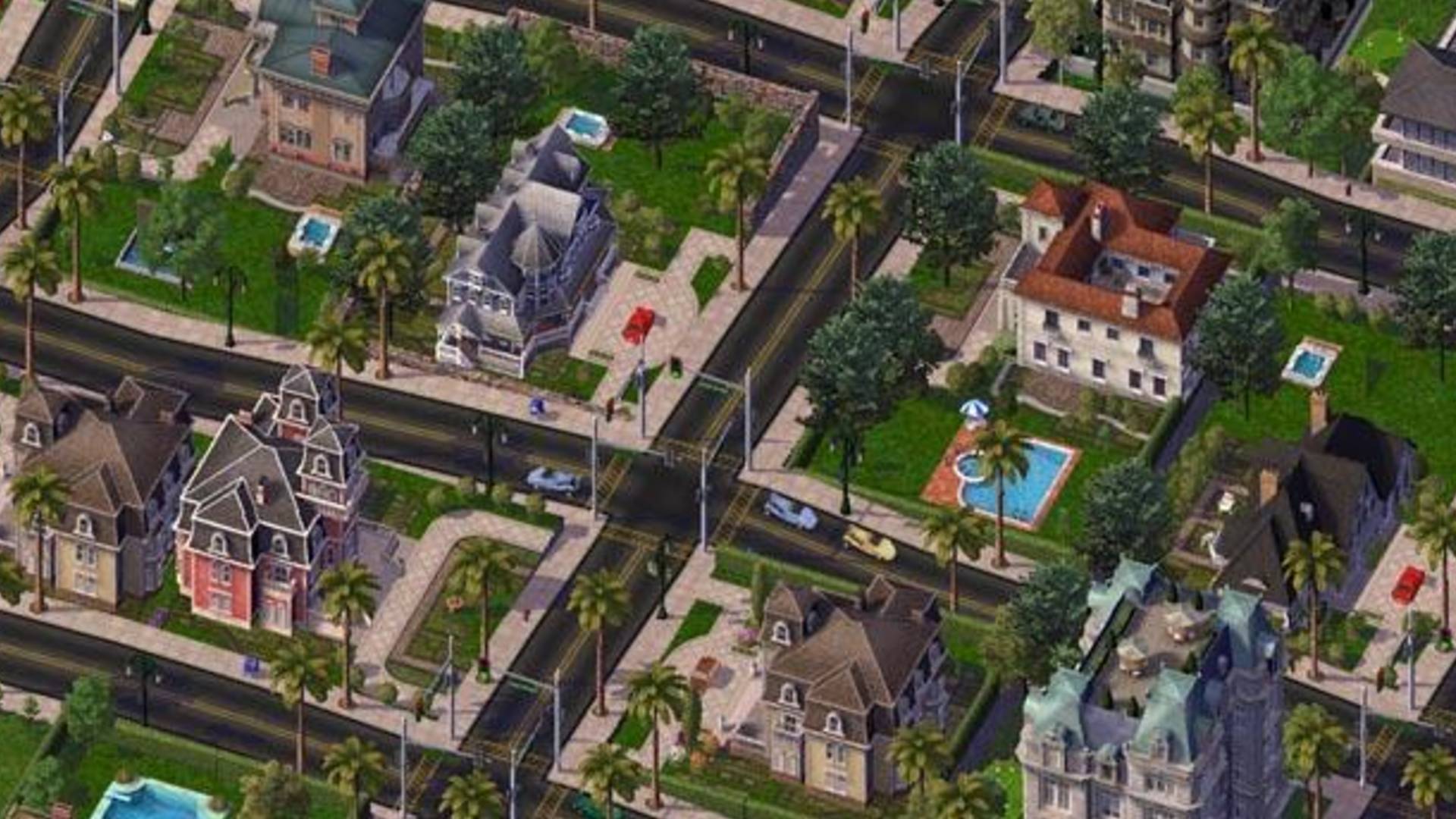
1. SimCity (2003) Developed by Intelligent Systems and published by EA, this was the closest thing to a true SimCity experience on PS2. It adapted SimCity 4 mechanics with simplified zoning, budget sliders, and disaster management.
- Used a context-sensitive radial menu for quick access to services
- Featured unlockable landmarks and scenario goals
- Included a mission mode with objectives like “Grow population to 50,000” or “Reduce crime by 30%”
Limitation: Loading times between city regions broke immersion. But once running, the simulation held up.
Practical tip: Use the “Advisors” panel early—it highlights critical issues like water shortages or overcrowding before they spiral.
2. A-Train 6: Connect the Cities More than just a city builder, A-Train 6 fused urban development with railway logistics. You didn’t just zone areas—you built rail networks to generate revenue, then used that income to expand your city.
- Profit-driven model: Build tracks to connect towns, run trains, collect fares
- City growth depended on transportation efficiency
- Deep economic layer: Adjust ticket prices, freight schedules, and station spacing
Realistic use case: You start with a single train and $2 million. Within hours, you’re managing a 12-line network with intercity cargo and commuter lines.

Mistake to avoid: Overbuilding stations too early. Wait for population demand to justify the cost.
3. Capitalism II (PS2 Port) Originally a PC title, Capitalism II made a surprising leap to PS2. It’s less about zoning and more about business empire simulation—but city development is central.
- Build shopping malls, factories, and distribution centers
- Control supply chains, pricing, and advertising
- Influence city growth by opening retail chains
Why it stands out: You’re not just a mayor—you’re a CEO shaping the city through commerce.
Workflow tip: Use the “Market Analysis” tool to locate underserved zones. Open a supermarket there before competitors do.
4. Pharaoh + Cleopatra (Gold Edition) Though originally a PC classic, the PS2 version of Pharaoh—paired with its expansion—delivered one of the most polished city builder experiences on the platform.
- Set in ancient Egypt: Build temples, granaries, and monuments
- Seasonal Nile flooding mechanics add strategic layer
- Labor and housing management affect construction speed
Pro insight: Workers won’t build monuments unless nearby housing meets luxury requirements. Upgrade houses with gardens and bazaars first.
Design win: The PS2 interface used contextual icons and zoom levels that made managing large cities feasible with a controller.
5. Lemonade Tycoon Don’t let the name fool you. This was a surprisingly deep economic sim disguised as a casual game. While focused on lemonade stands, it scaled into city-wide brand management.
- Start with one stand, expand to kiosks, trucks, and franchises
- Respond to weather, competition, and customer preferences
- Influence city districts by saturating markets
Hidden depth: Each district has demographic preferences. A college area wants bold flavors; suburbs prefer classic recipes.
Use case: You’re not building skyscrapers—you’re building brand dominance, one block at a time.
How These Games Differed from PC Counterparts
PS2 city builder games couldn’t match PC versions in raw complexity. But they excelled in accessibility and pacing.
| Feature | PC Version | PS2 Adaptation |
|---|---|---|
| Interface | Mouse-driven, multi-panel | Radial menus, controller shortcuts |
| Depth | Deep economic models | Streamlined sliders, guided feedback |
| Camera | Free-fly, zoom | Fixed angles, limited rotation |
| Progression | Open-ended sandbox | Mission-based objectives |
| Learning Curve | Steep | Gradual, tutorial-heavy |
The PS2 versions often introduced scenario-based progression—a smart move. Instead of throwing players into a blank map with endless options, they offered structured goals: “Keep unemployment under 10% for 5 years,” or “Build a hospital within budget.”
This approach lowered the entry barrier while preserving long-term engagement.
Design Lessons from Successful PS2 City Builders
What made the good ones work? A few consistent patterns emerge.
Controller-Friendly UI Was Non-Negotiable Games that mapped functions to shoulder buttons (L1 for services, R1 for zones) felt intuitive. Those that required menu diving failed.
Visual Feedback Mattered More Than Data Color-coded roads (green = smooth, red = congested), happy/sad citizen animations, and real-time traffic flow lines helped players diagnose issues without reading stats.
Auto-Recommendation Features Reduced Friction The best titles offered smart suggestions: “Low water pressure—build a pump station here?” or “High unemployment—zone industrial area?”

These weren’t crutches—they were enablers, letting players focus on strategy instead of micromanaging every button.
Why These Games Still Matter Today
You won’t find SimCity or Cities: Skylines on PS2 today. But the lessons from these early console adaptations influence modern city builders on PlayStation 4 and 5.
Look at Tropico 6 on PS5: radial menus, voice-guided alerts, controller-optimized zoom. These design choices echo the innovations pioneered by PS2 city builder games.
They proved that city building doesn’t require a mouse. It requires clarity, feedback, and smart defaults.
And for a generation of players who first experienced urban simulation on a PS2 with a DualShock in hand, these games weren’t just playable—they were formative.
Five Mistakes to Avoid When Playing PS2 City Builders
Even experienced players stumble. Here are the most common missteps:
- Zoning Too Much, Too Soon
- Over-zoning residential or industrial areas leads to traffic jams and service shortages. Zone incrementally.
- Neglecting Public Services
- One school can cover 10 blocks. Two hospitals are better than one when disease hits. Balance coverage with cost.
- Ignoring Terrain
- Building on hills increases construction costs. Use slopes strategically—e.g., place water towers on high ground.
- Skipping the Budget Panel
- Adjust tax rates and service funding early. A 2% tax hike can fund a new fire station—before fires spread.
- Playing Only in Sandbox Mode
- Mission modes teach core mechanics. Try them first—then go freeform.
Final Verdict: Which PS2 City Builder Should You Play First?
If you want classic city management, start with SimCity (2003). It’s the most familiar.
If you prefer economic depth and logistics, go for A-Train 6.
For historical flavor and cultural complexity, Pharaoh + Cleopatra is unmatched.
Play Capitalism II if you want to build a business empire within a growing city.
And try Lemonade Tycoon if you want a light but surprisingly strategic entry point.
No single game does everything. But together, they represent the full spectrum of what a PS2 city builder game could be.
FAQs
Was SimCity on PS2 a direct port of the PC version? No. It was a custom adaptation of SimCity 4 with simplified mechanics and controller support, not a direct port.
Can you play PS2 city builder games on modern consoles? Not natively. But you can use backward-compatible PS3 models or emulation software with original discs.
Did any PS2 city builder have multiplayer? Most were single-player only. A-Train 6 had limited link-play modes, but no online multiplayer.
Which PS2 city builder had the best graphics? Pharaoh + Cleopatra stood out with detailed sprites, animated citizens, and lush environments.
Are these games hard to find today? Yes—original copies can be expensive. Check eBay or retro game stores. Some are available as imports.
Did these games influence later console city builders? Absolutely. Tropico, Cities: Skylines on console, and Surviving Mars all use UI and control schemes inspired by PS2-era adaptations.
Is there a PS2 city builder with a story mode? Pharaoh and SimCity included scenario-based campaigns with narrative elements, like rebuilding after disasters or completing historical projects.
FAQ
What should you look for in Best PS2 City Builder Games That Defined a Generation? Focus on relevance, practical value, and how well the solution matches real user intent.
Is Best PS2 City Builder Games That Defined a Generation suitable for beginners? That depends on the workflow, but a clear step-by-step approach usually makes it easier to start.
How do you compare options around Best PS2 City Builder Games That Defined a Generation? Compare features, trust signals, limitations, pricing, and ease of implementation.
What mistakes should you avoid? Avoid generic choices, weak validation, and decisions based only on marketing claims.
What is the next best step? Shortlist the most relevant options, validate them quickly, and refine from real-world results.